Finding Your Dental Home in NYC
What Does It Mean to Truly Feel Heard at the Dentist? What Is a Dental Home? Most people think of […]
Finding Your Dental Home in NYC Read More »


What Does It Mean to Truly Feel Heard at the Dentist? What Is a Dental Home? Most people think of […]
Finding Your Dental Home in NYC Read More »
Best And Worse Habits For Your Teeth When it comes to maintaining a healthy smile, your daily habits play a crucial role. The choices you make every day can either support or harm your dental health. In this article, we’ll explore the best and worst habits for your teeth, providing you with practical oral health advice and tips to ensure your smile stays bright and healthy. Dental health is not just about having a bright smile; it’s a significant part of your overall health. Poor oral hygiene, high sugar consumption, lack of vitamins can lead to cavities, gum disease, and even more serious health issues. By understanding the impact of your daily habits, you can make informed decisions to protect your teeth and gums. Best Habits for Dental Health Let’s dive into some of the best habits you can adopt to maintain healthy teeth. Brushing Twice a Day Brushing your teeth twice a day is the cornerstone of good oral hygiene. Use a fluoride toothpaste and a soft-bristled toothbrush to gently clean all surfaces of your teeth. This helps remove food particles and plaque, preventing cavities and gum disease. Flossing Daily Flossing is just as important as brushing. It removes food particles and plaque from between your teeth and under the gumline where your toothbrush can’t reach. Make it a habit to floss at least once a day to keep your gums healthy. Regular Dental Check-Ups Visiting your dentist regularly is essential for maintaining good oral health. Your dentist can detect early signs of dental issues and provide professional cleaning to remove tartar buildup. Aim for check-ups every six months. Eating a Balanced Diet A diet rich in fruits, vegetables, lean proteins, and whole grains supports healthy teeth. Foods high in calcium, such as dairy products, help strengthen tooth enamel. Limit sugary snacks and drinks as they can lead to cavities. Using Mouthwash
Best And Worse Habits For Your Teeth Read More »
The American Dental Association (ADA) has recently issued a statement responding to the Food and Drug Administration’s (FDA) decision to limit fluoride supplements for children aged 3 and younger. This decision is part of an ongoing effort to ensure the safety and health of children while still providing necessary protection against dental caries, commonly known as cavities. Fluoride has long been recognized for its role in preventing tooth decay and maintaining oral health. However, concerns regarding the appropriate use and potential overexposure to fluoride, especially in young children, have prompted the FDA to take action. Fluoride is a naturally occurring mineral that strengthens tooth enamel and makes it more resistant to decay. It is found in various sources, including drinking water, toothpaste, and dietary supplements. While fluoride is beneficial in preventing dental caries, it is essential to use it correctly to avoid overexposure, particularly in young children. The Importance of Proper Dosage The FDA’s recent action focuses on ensuring that young children receive the appropriate dosage of fluoride to maximize its benefits while minimizing potential risks. Overexposure to fluoride during the early years can lead to dental fluorosis, a condition characterized by changes in the appearance of tooth enamel. Dental fluorosis is usually mild, appearing as faint white streaks or spots on the teeth, but it can become more pronounced with higher fluoride levels. Risks and Benefits of Fluoride Supplements For children at high risk of developing dental caries, fluoride supplements can be an effective measure in preventing tooth decay. However, it is crucial to administer these supplements under the guidance of a healthcare professional to ensure the correct dosage and avoid potential side effects. ADA’s Recommendations for Fluoride Supplements The ADA acknowledges the FDA’s decision to limit fluoride supplements for young children and offers guidance for parents and caregivers to ensure optimal oral health for their children. Recommendations for Children Aged 3 and Younger The ADA advises that fluoride supplements should be limited for children aged 3 and younger, particularly in areas where the drinking water is fluoridated. Parents and caregivers should consult with their child’s dentist or pediatrician to determine whether fluoride supplements are necessary and, if so, the appropriate dosage. High-Risk Older Children For older children who are at high risk of developing dental caries, the ADA suggests that fluoride supplements can still be beneficial. These children may require additional fluoride to protect their teeth, especially if their primary source of drinking water is not fluoridated. Healthcare providers should assess each child’s risk factors for dental caries and recommend fluoride supplements as needed. Regular dental check-ups and professional guidance can help ensure that children receive the proper amount of fluoride for optimal oral health. Maintaining Oral Health in Children In addition to fluoride supplements, there are several practices parents and caregivers can implement to support their children’s oral health. Brushing and Flossing Encourage children to brush their teeth at least twice a day using fluoride toothpaste. For younger children, parents should supervise brushing to ensure that they use the right amount of toothpaste (a rice-sized amount for children under 3 and a pea-sized amount for children aged 3 to 6). Flossing should be introduced as soon as children have two teeth that touch. Healthy Eating Habits
So you think you know how to brush Good oral hygiene is a cornerstone of overall health. Brushing your teeth
So you think you know how to brush Read More »
Should you switch to electric toothbrush When it comes to dental hygiene, the type of toothbrush you use can make a significant difference. Electric toothbrushes have gained popularity over the years, and for a good reason. They offer numerous benefits that can enhance your oral care routine. In this article, we’ll explore the benefits of electric toothbrushes, including teeth whitening advantages, and compare them to manual toothbrushes to help you decide if it’s time to make the switch. Understanding the Benefits of Electric Toothbrushes Electric toothbrushes are designed to do the hard work for you. With various types available, including oscillating, rotating, and sonic models, each offers unique advantages for your oral health. Improved Plaque Removal One of the primary benefits of electric toothbrushes is their ability to remove plaque more effectively than manual toothbrushes. Research has shown that electric toothbrushes can reduce plaque by up to 21% more than their manual counterparts. This is due to their rapid bristle movements, which help to break down plaque and clean teeth more thoroughly. Better for Gum Health Electric toothbrushes are also gentle on gums. Many models come with pressure sensors that alert you if you’re brushing too hard, preventing gum damage. This feature is particularly beneficial for individuals with sensitive gums or those prone to gum disease. Teeth Whitening Benefits If you’re seeking a brighter smile, an electric toothbrush might be your answer. The fast bristle movements can help remove surface stains caused by coffee, tea, or smoking more effectively than a manual toothbrush. While electric toothbrushes alone won’t replace professional whitening treatments, they can certainly help maintain a whiter smile. Sonic Electric Toothbrushes: A Closer Look Sonic electric toothbrushes like the Phillips Sonicare stand out for their unique technology. They operate at very high frequencies, producing thousands of brush strokes per minute. Let’s delve into why they are favored by many dental professionals. Deep Cleaning Action The high-speed vibrations of a sonic toothbrush create microbubbles that reach areas between teeth and along the gum line that might be missed by manual brushing. This results in a deeper clean, reducing the risk of cavities and gum disease. Enhanced Whitening
Should you switch to electric toothbrush Read More »
Dentists know you hate flossing try this instead Flossing is a crucial part of oral hygiene, yet many people dread it. The process can feel tedious and uncomfortable. Fortunately, there are effective alternatives to traditional flossing. These options can make plaque removal easier and more enjoyable. Water flossers, interdental brushes, and dental picks are just a few examples. They offer different benefits and suit various needs. Choosing the right method can improve your dental health. It’s important to find a solution that fits your lifestyle. In this article, we’ll explore the best alternatives to flossing. Discover which option might work best for you. Why Flossing Matters (But Why So Many Hate It) Flossing is vital for removing plaque and preventing gum disease. Dentists emphasize its role in maintaining oral health. Despite this, many people struggle to floss regularly. The dislike for flossing often stems from its awkwardness. Reaching between teeth can be challenging and uncomfortable. Several common complaints make flossing unpopular: It can cause gum irritation or bleeding. The technique is difficult for some to master. It seems time-consuming in busy schedules.
Dentists know you hate flossing try this instead Read More »
How to avoid a root canal Tooth pain can be a warning sign. It often signals deeper dental issues that need attention. Ignoring these signs can lead to more serious problems. One such problem is the dreaded need for a root canal. Root canals are often necessary when decay reaches the tooth’s pulp. This can be painful and costly. Fortunately, there are ways to prevent this procedure. By maintaining good oral hygiene and dental visits, you can avoid root canals. This guide will show you how to protect your teeth. Learn effective methods to keep your smile healthy. Understanding Root Canals and Why They Happen Root canals might sound scary, but they save troubled teeth. This procedure is needed when tooth decay damages the pulp. The pulp is the soft center of the tooth. It contains nerves and blood vessels vital to tooth health. Several factors can lead to a root canal: Deep decay entering the pulp Cracks or chips in the tooth Past dental work stress Trauma to the tooth by Pramod Tiwari (https://unsplash.com/@pramodtiwari) Understanding why root canals occur helps in preventing them. With the right habits, you can maintain your teeth’s integrity and avoid reaching this critical point. Healthy practices make all the difference. Early Signs of Tooth Trouble: What to Watch For Recognizing early signs of tooth issues can prevent serious problems later on. Ignoring symptoms can lead to greater discomfort and dental procedures. Keep an eye out for these warning signs to act promptly: Sensitivity to hot or cold drinks
How to avoid a root canal Read More »
BIolase laser whitening benefits A bright smile can boost your confidence and leave a lasting impression. Many people seek effective ways to whiten their teeth. Biolase laser whitening is a cutting-edge solution. It offers a fast and safe method to achieve a dazzling smile. This advanced procedure uses laser technology to target stains precisely. Unlike traditional methods, it minimizes discomfort and sensitivity. The results are often immediate and impressive. Biolase laser whitening is performed by dental professionals. This ensures safety and optimal outcomes. It’s a popular choice for those seeking a quick and effective whitening solution. In this article, we’ll explore the benefits of Biolase laser whitening. Discover why it might be the best option for your smile. by Alistair Cowin (https://unsplash.com/@alistaircowin) What is Biolase Laser Whitening? Biolase laser whitening is a professional teeth whitening treatment. It uses cutting-edge laser technology to brighten teeth effectively. This procedure offers a modern alternative to traditional whitening methods. The process involves using a specialized laser to target stains on the teeth. This technology ensures a uniform whitening effect. Unlike over-the-counter products, it addresses both surface stains and deeper discolorations. Key features of Biolase laser whitening include: Quick and efficient, often completed in about an hour Safe for individuals with sensitive teeth Customizable intensity for personalized results Performed by skilled dental professionals, Biolase ensures safety and precision. This high-tech approach caters to those desiring noticeable results with minimal discomfort. by CDC (https://unsplash.com/@cdc) How Does Biolase Laser Whitening Work? Biolase laser whitening employs advanced laser technology to enhance the appearance of teeth. The procedure begins with a protective gel applied to the gums. This step ensures that only the teeth are exposed during the treatment. A laser is then directed onto the teeth, activating a whitening gel. This interaction between the laser and gel targets and breaks down stains effectively. The process transforms the color of the teeth in a short amount of time. Steps in the Biolase Laser Whitening Process: Application of protective gum gel
Fast & Safe Biolase Laser Whitening Benefits Read More »
Finding a good dentist is crucial for maintaining your oral health. But how do you navigate the sea of options
How To Find A Good Dentist Read More »
Oral health is a crucial aspect of overall well-being. Yet, many of us overlook the importance of deep cleaning our
Finding the Best Deep Cleaning Services Read More »
Dental crowns are a common solution for damaged or decayed teeth. They restore both function and aesthetics, making them a
How much is a crown? Read More »

Explore essential dental procedures including cleaning, filling, veneers, and more in our blog ‘A Comprehensive List of Dental Procedures’!
A Comprehensive List of Dental Procedures Read More »

Discover crowns, veneers, cleaning, and laser bacterial reduction at JDental by reading our blog ‘What does JDental offer to its patients’.
What does JDental offer to its patients Read More »

Find the perfect solution for your dental needs with our guide to a weekend dentist!
Weekend Dentist in NYC Read More »
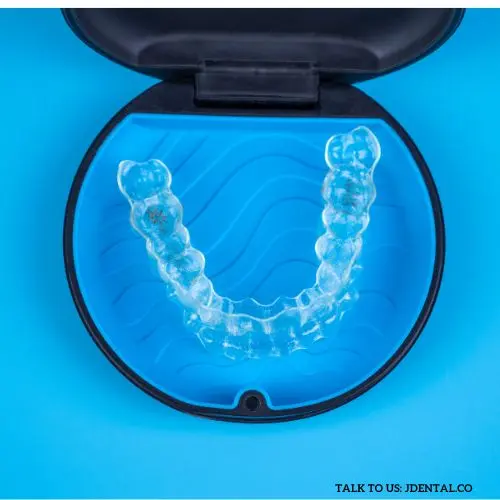
Explore why more adults in NYC are embracing adult orthodontics NYC in our latest blog post!
Why More Adults in NYC Are Choosing Orthodontic Treatment Read More »
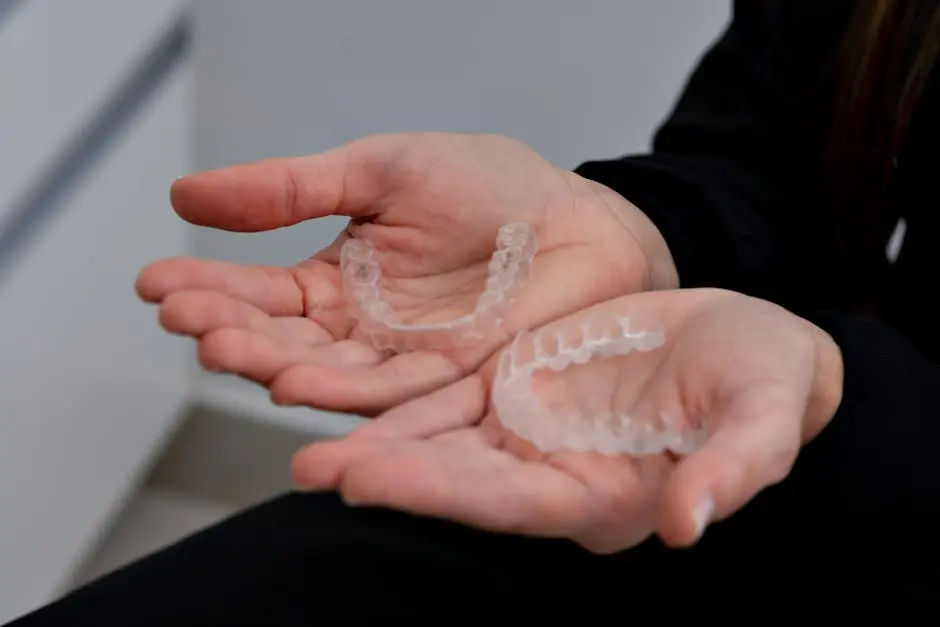
Discover the truth about adult orthodontics NYC in our blog ‘Adult Orthodontics in NYC: Breaking Down the Myths’ and debunk common misconceptions today!
Adult Orthodontics in NYC: Breaking Down the Myths Read More »

Discover the ideal frequency for oral health consultations in ‘How Often Should I Have an Oral Health Consultation?’ – take charge of your dental well-being today!
How Often Should I Have an Oral Health Consultation? Read More »

Discover when to visit a gentle dentist in our blog ‘When Should I Consider Visiting a Gentle Dentist?’ and take the first step towards a stress-free dental experience!
When Should I Consider Visiting a Gentle Dentist? Read More »

Discover the truths behind full mouth reconstruction in our blog ‘The Top 9 Misconceptions About Full Mouth Reconstruction Debunked’.
The Top 9 Misconceptions About Full Mouth Reconstruction Debunked Read More »
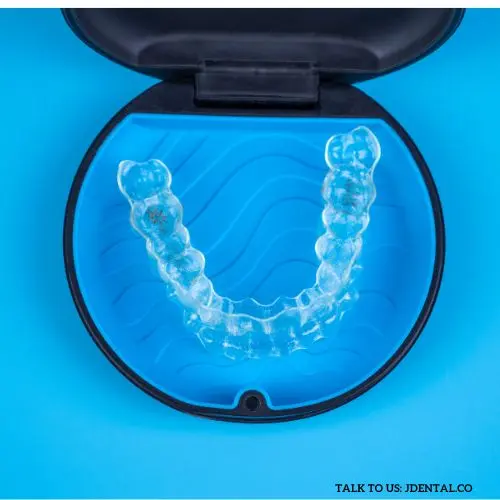
Discover the advantages of selecting Invisalign for your orthodontic needs in our detailed guide on Invisalign midtown.
7 Key Benefits of Choosing Invisalign for Your Orthodontic Treatment Read More »

Transform your smile naturally with the benefits of natural smile design in our blog ‘Transform Your Smile Naturally: The Benefits of Natural Smile Design’.
Transform Your Smile Naturally: The Benefits of Natural Smile Design Read More »
Enhance your dental care in NYC with the top 10 questions to ask your dentist on quality dental care in our blog.
The Top 10 Questions to Ask Your Dentist for Quality Dental Care in NYC Read More »

Discover the suitability of Midtown Dental Care for both children and adults in our comprehensive guide.
Is Midtown Dental Care Suitable for Children and Adults Alike? Read More »

Discover the calming support a gentle dentist offers for dental anxiety in ‘How Can a Gentle Dentist Help with Dental Anxiety?’
How Can a Gentle Dentist Help with Dental Anxiety? Read More »
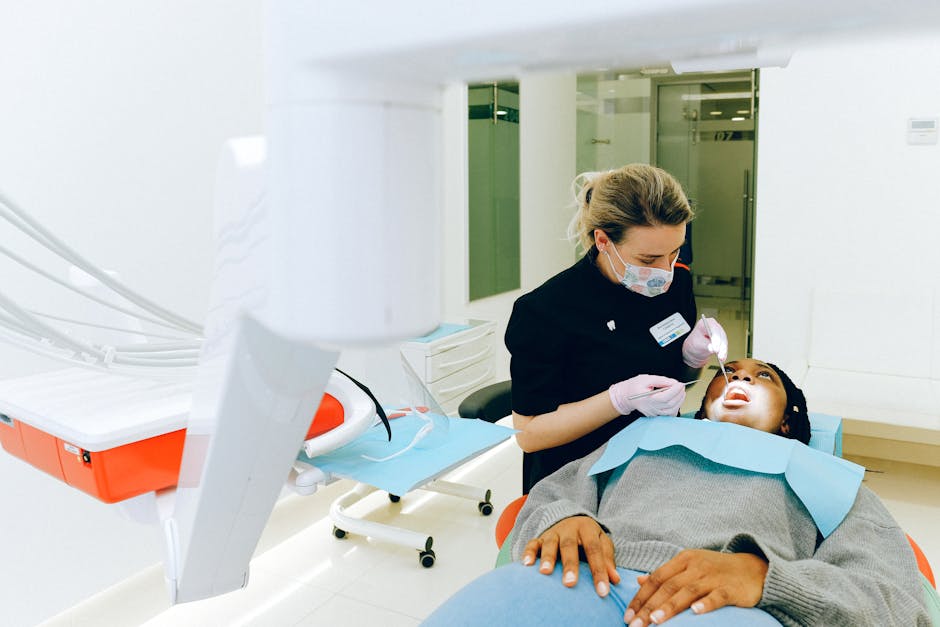
Discover essential insights on gum grafting in NYC with our blog ‘7 Things You Need to Know About Gum Grafting in NYC’.
7 Things You Need to Know About Gum Grafting in NYC Read More »

Learn when you need an emergency tooth extraction in our informative blog ‘When is an Emergency Tooth Extraction Needed?’
When is an Emergency Tooth Extraction Needed? Read More »

Discover the journey of adult orthodontics in NYC with our guide ‘What Should I Expect During My Adult Orthodontics Journey in NYC?’
What Should I Expect During My Adult Orthodontics Journey in NYC? Read More »
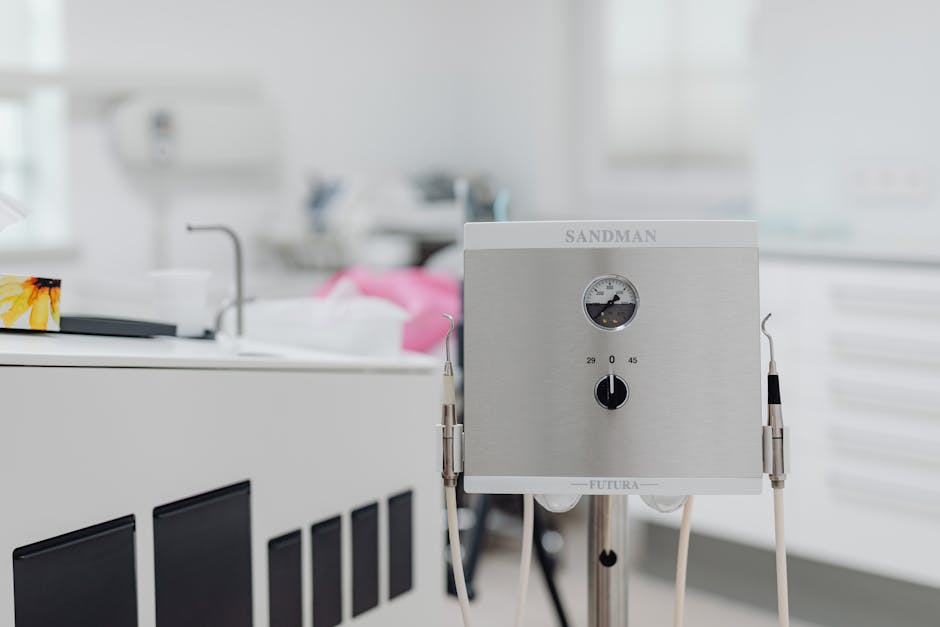
Discover if you qualify for laser dentistry in NYC by reading our comprehensive guide ‘How Do I Know if I’m a Candidate for Laser Dentistry in NYC?’
How Do I Know if I’m a Candidate for Laser Dentistry in NYC? Read More »

Master natural smile design techniques in our blog ‘8 Natural Smile Design Techniques Every Dentist Should Know’ today!
8 Natural Smile Design Techniques Every Dentist Should Know Read More »

Discover the importance of a gentle dentist for long-term oral health in our insightful blog ‘Why a Gentle Dentist Approach is Key to Long-Term Oral Health’.
Why a Gentle Dentist Approach is Key to Long-Term Oral Health Read More »

Discover the transformative power of laser dentistry in NYC at your fingertips.
Transform Your Smile with Laser Dentistry in NYC Read More »

Discover the perfect gentle dentist who understands your needs in ‘How to Find a Gentle Dentist That Understands Your Needs.’
How to Find a Gentle Dentist That Understands Your Needs Read More »

Discover the 10 transformative benefits of professional teeth whitening from our cosmetic dentist blog post.
10 Transformative Benefits of Professional Teeth Whitening Read More »

Explore the braces options in NYC for the perfect fit at ‘How to Find the Perfect Fit: Braces Options Available in NYC’.
How to Find the Perfect Fit: Braces Options Available in NYC Read More »

Transform your smile with gum contouring in NYC – discover the solution to gummy smiles now!
Boost Your Confidence with Gum Contouring: NYC’s Answer to Gummy Smiles Read More »
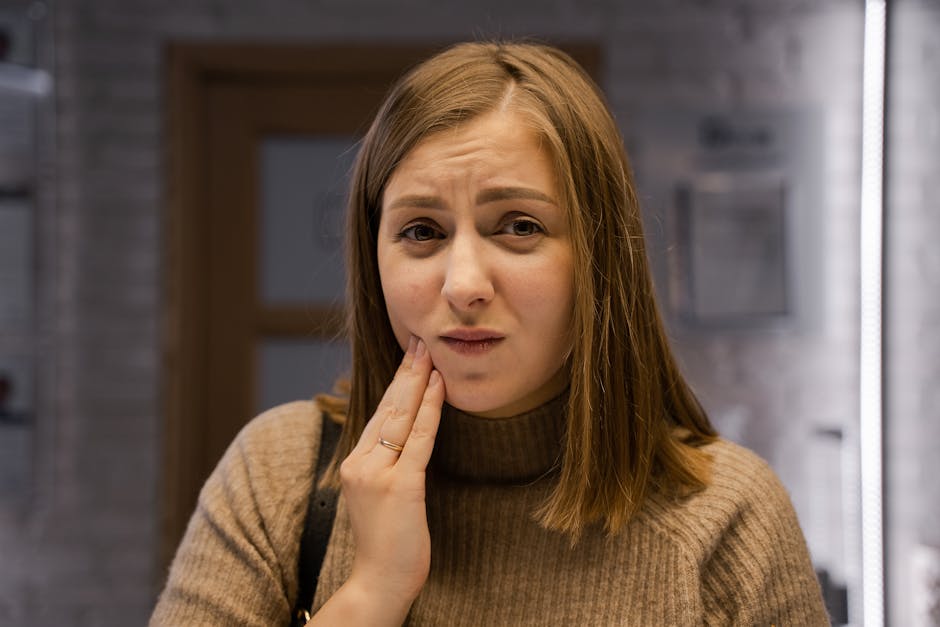
Discover urgent signs signaling the need for an emergency tooth extraction in our informative blog post.
Signs That Indicate You Might Need an Emergency Tooth Extraction Read More »
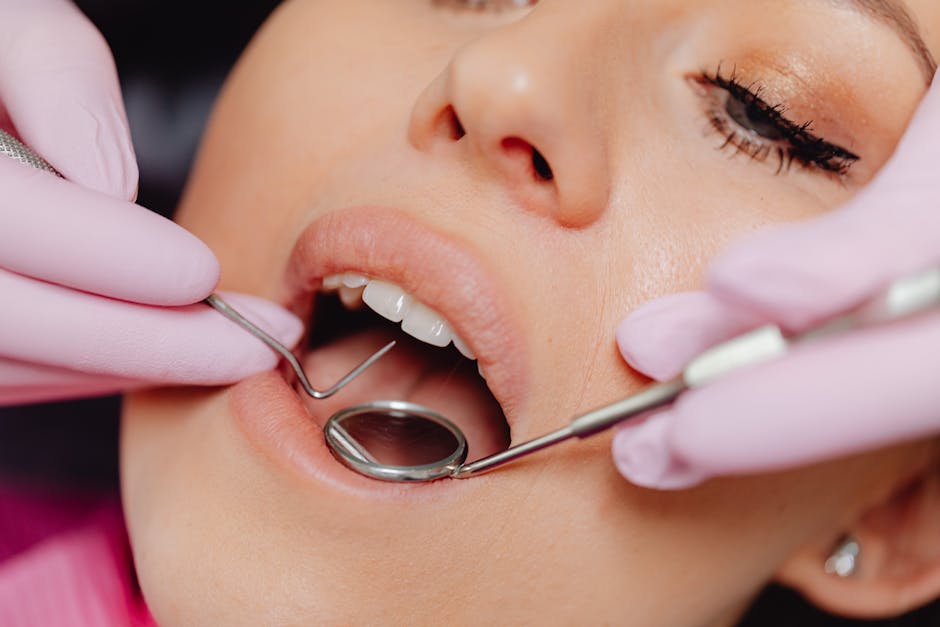
Discover the advantages of visiting a weekend dentist in ‘The Surprising Benefits of Scheduling Your Dental Care on the Weekend’ – book your appointment today!
The Surprising Benefits of Scheduling Your Dental Care on the Weekend Read More »

Discover the marvels of advanced dental technology in our blog ‘Beyond the Drill: Exploring the Wonders of Advanced Dental Technology’ today!
Beyond the Drill: Exploring the Wonders of Advanced Dental Technology Read More »

Discover expert advice for NYC patients seeking comfort with braces in our blog ‘Finding Comfort with Braces: Advice for NYC Patients’.
Finding Comfort with Braces: Advice for NYC Patients Read More »

Achieve a brighter smile with our blog on laser teeth whitening procedures.
Laser teeth whitening Read More »